

Washing Your Hands Properly: Hand Cleaning Step by Step
We all wash our hands every day, yet most of us are done in a few seconds. Here are the steps of washing your hands properly, when to do it and the mistakes people often make.
By PRESTİJ4 min read

When we think of cleaning, homes, kitchens and bathrooms usually come to mind first. Yet the most basic step of everyday cleanliness is washing our hands properly. During the day our hands touch door handles, phones, money and shopping bags, and then our faces, our food and our children. In this article we explain the steps of proper handwashing in plain language.
How do soap and water clean together?
Rinsing with water alone does not easily remove greasy dirt from your hands. When soap lathers with water, it loosens dirt and oil on the surface of the skin, and these are carried away with the water as you rinse. That is why three things matter together in handwashing: enough soap, enough time and rubbing. Rubbing carries the lather between your fingers and under your nails; taking enough time makes sure the job isn't rushed.
Proper handwashing in 6 steps
- Wet. Wet your hands with clean running water; it can be lukewarm or cold. There is no need for very hot water: lukewarm is enough.
- Apply soap. Take enough liquid hand soap from the pump bottle or dispenser into your wet palm. Enough to cover the whole surface of your hands will do.
- Lather and rub. Rub your hands with lather for at least 20 seconds. Don't skip these areas:
- your palms,
- the backs of your hands,
- between your fingers,
- your thumbs (grip each one with the other hand and rotate it),
- your fingertips and under your nails (rub your fingertips against the other palm),
- your wrists.
- Rinse. Rinse your hands under running water until all the lather is gone.
- Dry. Dry them thoroughly with a clean towel or a paper towel. In shared spaces, choose single-use paper towels or a personal towel; change the hand towels at home often.
- Turn off the tap. In public restrooms, you can turn off the tap with the paper towel you used to dry your hands.
To reach 20 seconds, you can count slowly to twenty in your head or hum a short song twice. For children, this little game is a fun way to make handwashing a habit.
Liquid soap or bar soap at the basin?
You can wash your hands with either. Liquid soap in a pump bottle is easy to dose and, at shared basins, lets everyone take their own share without touching the product; a bar of soap needs to be kept dry in a dish that lets water drain away. We compare the two forms for the shower in Shower gel or bar soap?
When should you wash your hands?
Turning certain moments into habits makes it easier to remember to wash your hands during the day:
- before, while and after preparing food (especially after handling raw meat, poultry or eggs),
- before eating,
- after using the toilet and after changing a nappy,
- when you come home from outside,
- after touching rubbish,
- after feeding or stroking your pets,
- after blowing your nose, coughing or sneezing,
- whenever your hands are visibly dirty.
Common mistakes
- Washing too quickly: a rinse of a few seconds means skipping the lathering and rubbing steps.
- Forgetting thumbs and nails: these areas are often missed when washing hands.
- Using too little soap: soap that does not cover your whole hands cannot reach every area as you rub.
- Skipping drying: leaving your hands wet or drying them on a dirty towel undoes the care you put into washing.
- Keeping rings on: the skin under rings and bracelets needs washing too; take them off before washing if you can.
Hand cleaning in the kitchen
The kitchen is one of the places where hands are washed most often during the day. A few habits make it easier:
- After handling raw meat, poultry, fish or eggs, wash your hands before touching any other ingredient.
- Keep your hand towel separate from the dish and counter cloths.
- Keep a pump bottle of liquid hand soap by the kitchen sink, separate from the washing-up liquid; use each product for its own purpose.
- If you touched your phone or the bin while cooking, wash your hands again before going back to the ingredients.
Teaching children to wash their hands
Children mostly learn handwashing by watching the adults around them. These small steps help them pick up the habit early:
- Use a sturdy, non-slip step so they can reach the basin comfortably.
- Go through the steps together and turn the 20 seconds into a game with a song.
- Have an adult stay with young children while they wash their hands, and make sure no soap gets into their eyes.
- Make washing hands before meals and after coming home a family rule.
For the comfort of your hands
If you wash your hands often, it matters that they feel comfortable too. Use lukewarm water, rinse your hands well and pat them dry gently with a towel. If your hands feel dry, you can use your hand cream after drying them. If you notice irritation with any product, stop using it.
A note on using liquid hand soap: Avoid contact with eyes; in case of contact, rinse thoroughly with water. Store the soap away from heat and direct sunlight, out of the reach of children.
Make hand cleaning easy at home and at work
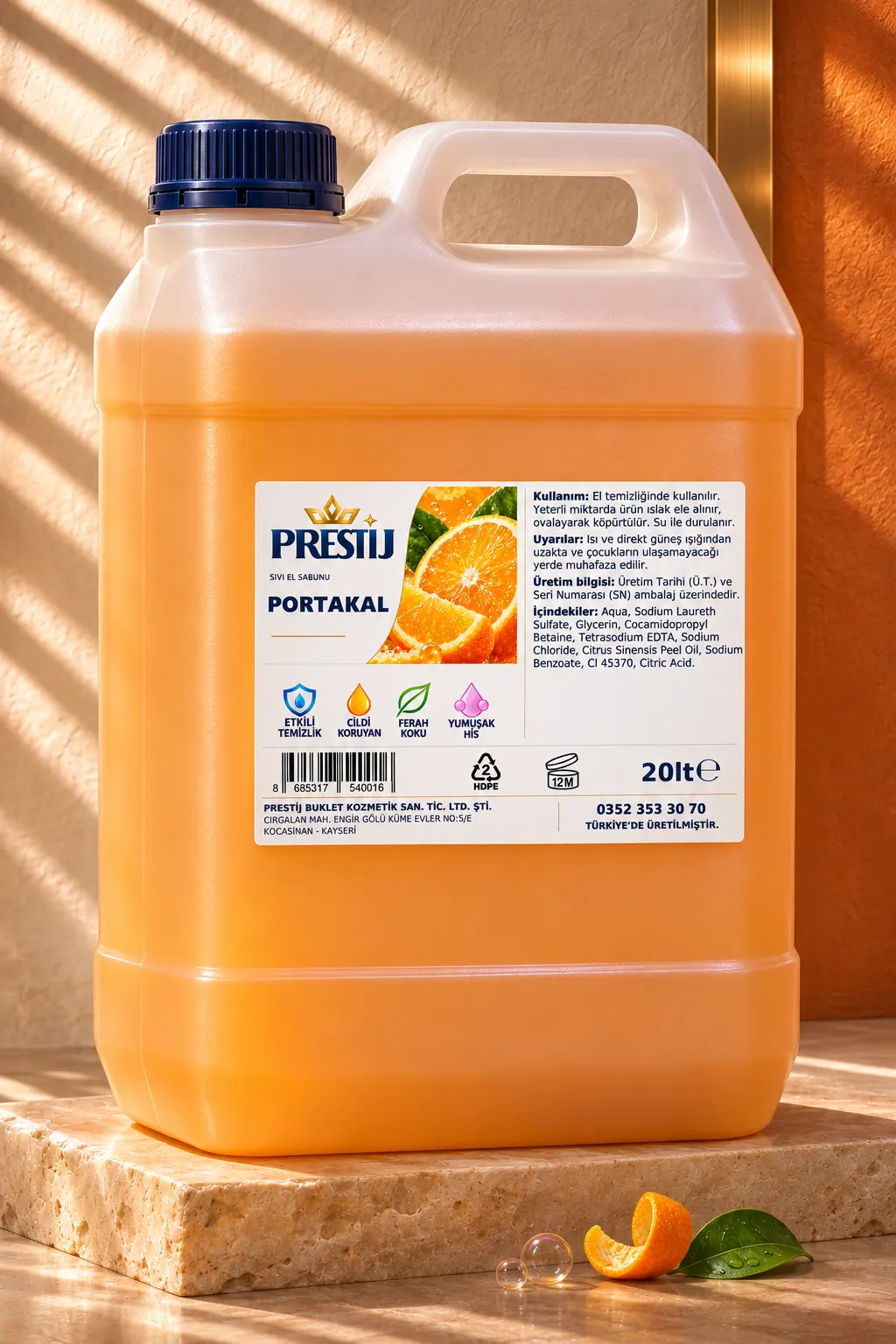
A good handwashing habit starts with soap being within easy reach. Keep a full pump bottle or dispenser at every basin, and use separate bottles for the kitchen, the bathroom and the guest washroom. If you would rather keep a stock than wait for the soap to run out, 5 L and 20 L canisters are a practical solution; we explain what to keep in mind when refilling in our dispenser refilling guide.
In businesses, handwashing points that are always full and tidy are a sign of the care shown to staff and guests. You will find our tips for hotels, offices and restaurants in the liquid soap guide for businesses.
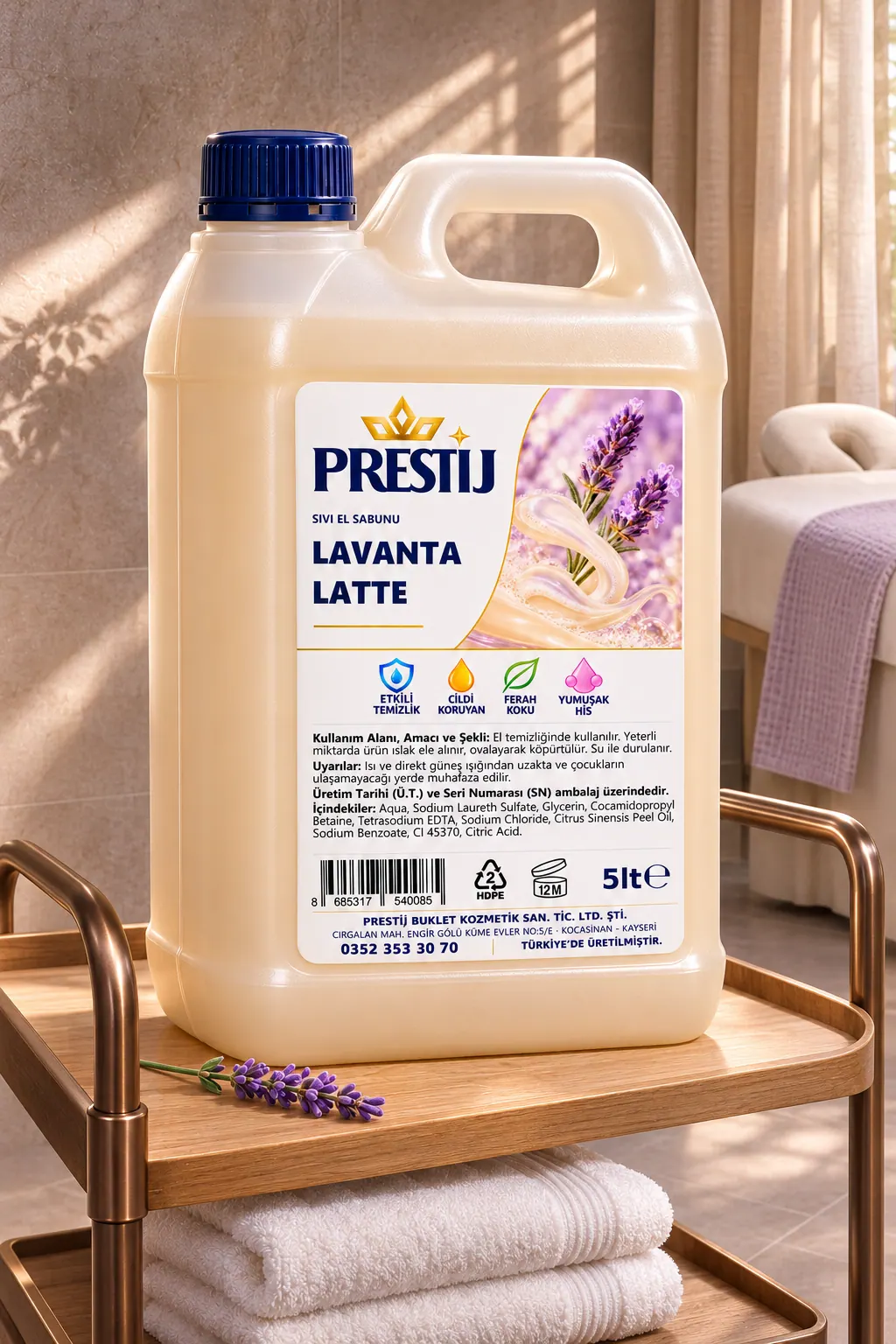
Browse our Lavender, Lavender Latte and Orange options in the liquid hand soap category. If you would like to try the scents, you can add a free sample to your cart, or request free samples for your business; samples are free and not for sale.


More stories
All stories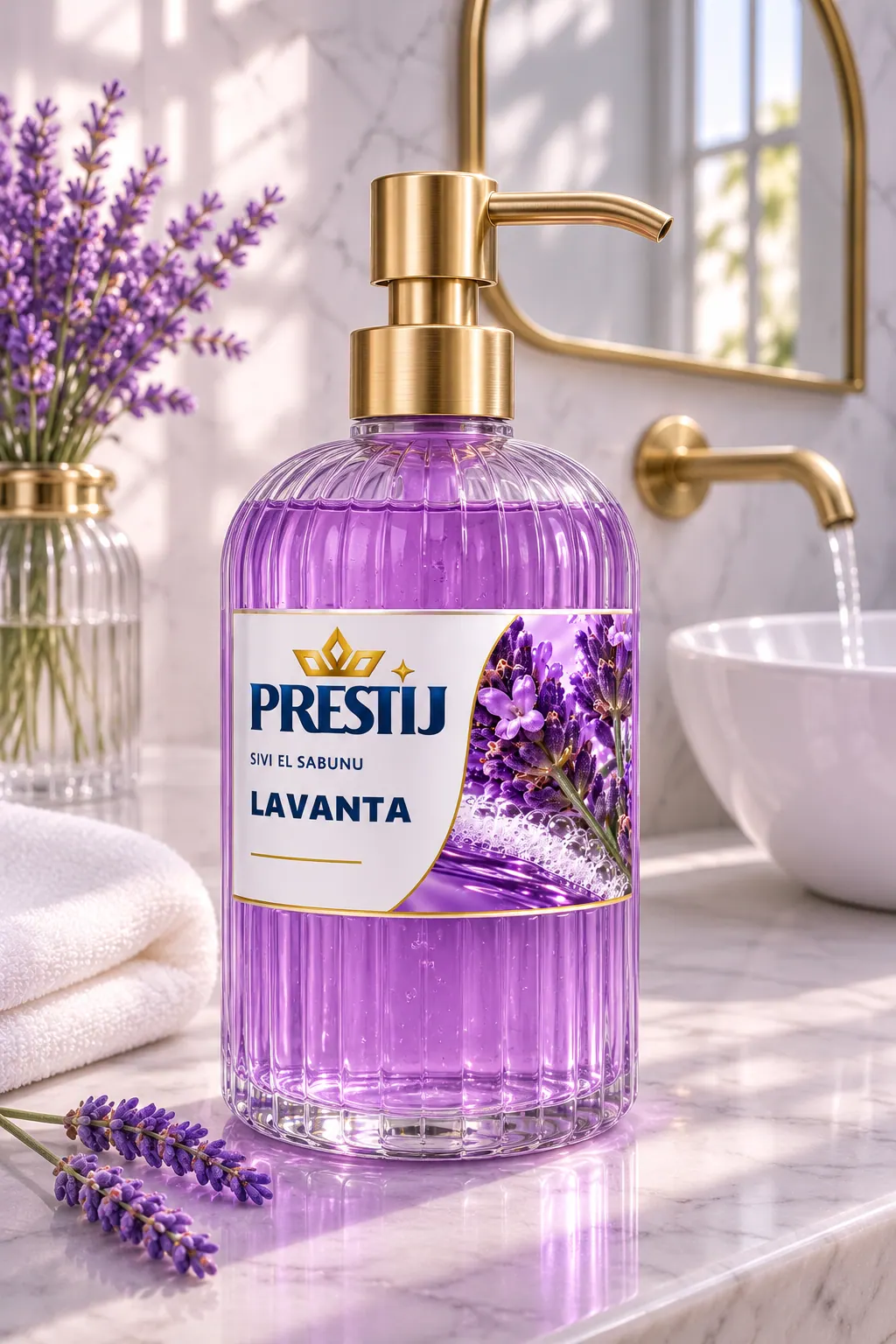
4 min read
How to Choose a Liquid Hand Soap
There are countless options on the shelf, so how do you pick the right liquid hand soap for your home or business? A practical checklist covering where you will use it, scent, packaging and what the label tells you.
4 min read
Liquid Soap and Shower Gel for Hotels, Offices and Restaurants
A business's washroom quietly tells guests and staff how much care goes into the details. Practical tips for planning liquid soap and shower gel in hotels, offices, restaurants, schools and gyms.
4 min read
5 L and 20 L Liquid Soap Canisters: A Guide for Businesses
Thinking of moving from pump bottles to canisters? Choosing the right size matters. We compare 5 L and 20 L liquid soap canisters in terms of consumption, storage, refilling and ordering.

